Abstract:Interactive Brokers continues to enhance the range of investment instruments available to its global clientele. The firm has recently broadened its offerings on the Hong Kong Exchanges and Clearing Limited (HKEX), allowing investors to tap into a wider variety of products across key markets.
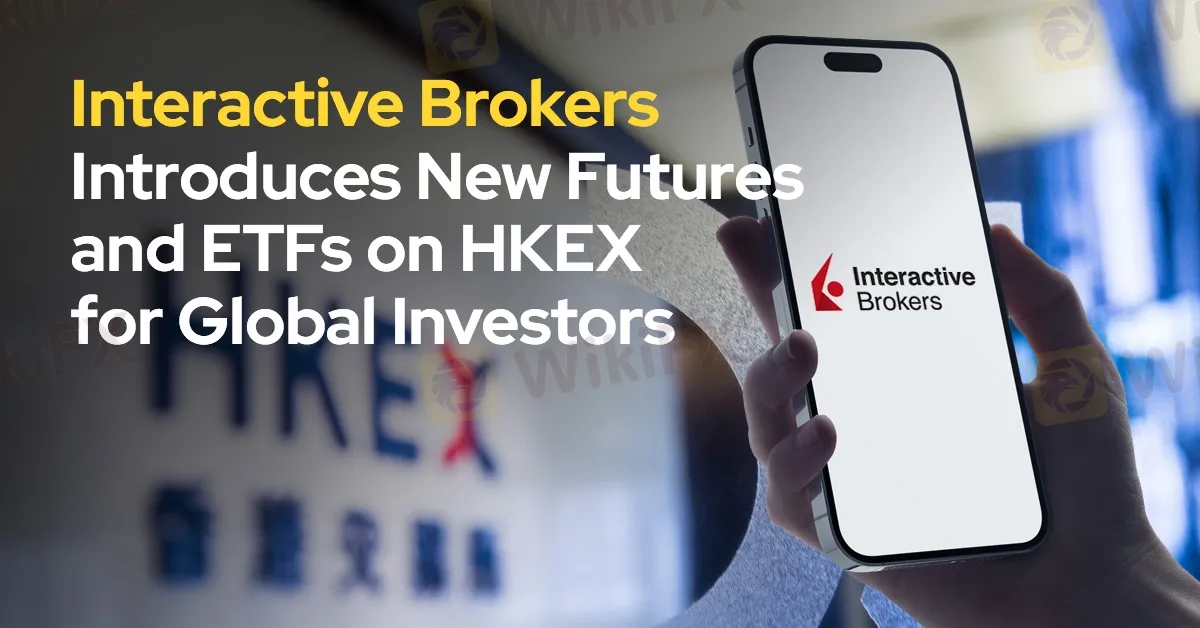
Interactive Brokers continues to enhance the range of investment instruments available to its global clientele. The firm has recently broadened its offerings on the Hong Kong Exchanges and Clearing Limited (HKEX), allowing investors to tap into a wider variety of products across key markets.
Among the new additions are 85 Exchange-Traded Funds (ETFs) for Northbound trading via Stock Connect, a program that enables international investors to trade mainland Chinese shares from Hong Kong. This inclusion enhances the opportunities for clients to diversify their portfolios by accessing Chinas rapidly evolving financial markets.
Interactive Brokers has also introduced Futures Options (FOP) on the Hang Seng TECH Index Futures, providing investors with more ways to trade this increasingly popular index, which tracks the performance of the largest technology companies listed in Hong Kong. In addition to this, investors now have access to Hang Seng China Enterprises Index Futures Options (PHH) and Hang Seng Index Futures Options (PHS). These futures options enable investors to take positions on the performance of major Chinese enterprises and the broader Hang Seng Index, which is a benchmark for Hong Kongs equity market.

Furthermore, the HKEX has received regulatory approval to implement Severe Weather Trading (SWT) across its securities and derivatives markets, effective from September 23, 2024. The SWT system allows for trading continuity during severe weather conditions, extending to Stock Connect, derivatives holiday trading, and after-hours trading sessions. This move by HKEX enhances the resilience of Hong Kongs markets by providing uninterrupted access to trading, even in adverse weather conditions.
HKEX, a publicly traded company under the stock code 388, is a leading global exchange group offering a comprehensive range of equity, derivatives, commodity, and fixed-income markets. Its role as a crucial financial hub is further strengthened by its ownership of the London Metal Exchange, allowing it to serve a broad spectrum of international investors and institutions.