Abstract:Hong Kong's new stablecoin regulation bill and crypto licensing system aim to strengthen HKMA oversight, ensuring secure cryptocurrency trading and market stability.
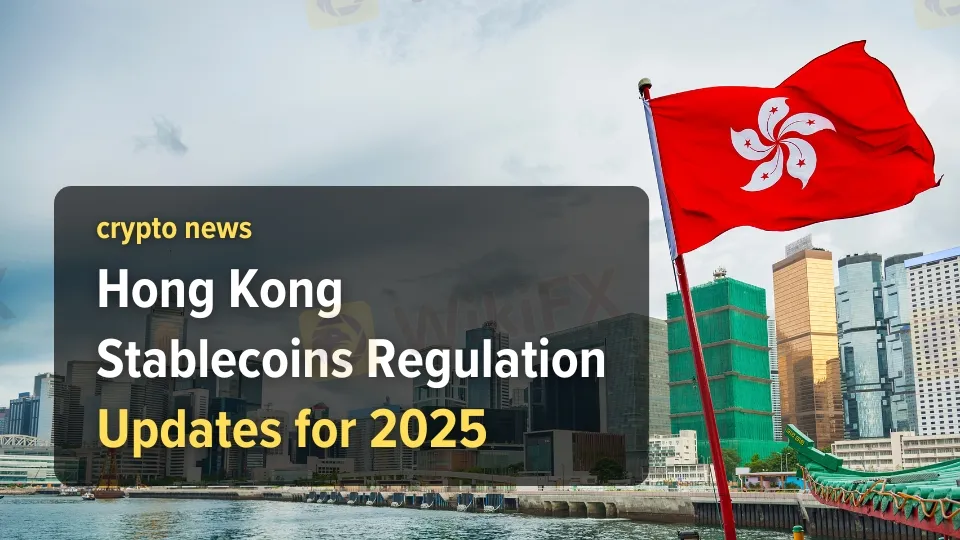
Hong Kongs Legislative Council is making strides toward creating a stable, regulated cryptocurrency environment with the introduction of a groundbreaking stablecoin regulation bill. This significant legislative effort aims to position Hong Kong as a global leader in cryptocurrency governance while ensuring consumer protection and market stability.
 Contents
Key Developments in Stablecoin Regulation
The proposed bill, which had its first reading in December, is now under committee review. According to Francis Ho, deputy secretary for Financial Services and the Treasury, stablecoin issuers will be required to secure a license from the Hong Kong Monetary Authority (HKMA). The legislation mandates that stablecoins be backed by high-quality, liquid reserve assets and include robust reserve stabilization mechanisms.
The HKMA will evaluate various aspects of stablecoin issuance, including the management and resources of issuers, the reserve assets backing the stablecoins, and the mechanisms ensuring price stability. Additionally, the bill restricts the issuance or marketing of stablecoins to regulated entities and platforms, establishing a strong framework for compliance.

These measures are expected to transform the stablecoin market in Hong Kong, aligning it with global standards like Europes Markets in Crypto-Assets (MiCA) regulations.
A Licensing System to Attract Crypto Investors
Hong Kong continues to strengthen its position as a hub for cryptocurrency activity. The government introduced a licensing system for crypto trading platforms in June 2023, allowing regulated exchanges to offer retail trading services. Three platforms—OSL Exchange, HashKey Exchange, and HKVAX—have already been licensed, with additional applications under review.
The Securities and Futures Commission (SFC) has undertaken rigorous on-site reviews of crypto firms. SFC CEO Julia Leung announced that 11 Virtual Asset Trading Platforms (VATPs) are currently “deemed to be licensed,” and licenses will be issued in batches to ensure compliance. Meanwhile, 16 companies are awaiting decisions on their VATP applications.
Upcoming Crypto Regulations and Industry Engagement
To further bolster the cryptocurrency sector, the government is planning a new consultation panel to gather industry insights. This initiative will inform the development of regulations for over-the-counter (OTC) crypto trading and crypto custodians. Draft regulations are expected to be released for public consultation later this year.
Joseph Chan, undersecretary for the Financial Services and the Treasury Bureau, emphasized the governments commitment to fostering a secure and innovative environment for cryptocurrency trading in Hong Kong.
Related News:
Final Thoughts
Hong Kong is setting a global benchmark in stablecoin regulation and cryptocurrency licensing. The government‘s proactive approach—ranging from mandatory licensing to robust consumer protection measures—underscores its ambition to lead in the crypto industry. As the world watches, Hong Kong’s regulatory advancements could shape the future of cryptocurrency governance and attract more crypto investors to its shores.