Abstract:Learning how a trading company handles deposits and withdrawals is one of the first things every trader should do. Before investing, you need to know exactly how you can add funds to your account and, most importantly, how you can withdraw the same. This guide takes a close look at the payment methods that DUHANI says it offers.
But the payment methods themselves aren't the most important thing. The bigger question is: can you trust this broker? Keeping your deposits safe and making sure you can actually withdraw your funds are the most important things to think about. Before transferring funds to any broker, you must do your homework. Whether a broker is properly regulated and what real users say about it are the best ways to tell if it can be trusted. We strongly suggest that traders do their own research. A quick search for "DUHANI" on a checking website, such as WikiFX, can give you lots of information, including details about regulation, user reviews, and complaints from other pe

Why Safe Fund Transfers Matter
Learning how a trading company handles deposits and withdrawals is one of the first things every trader should do. Before investing, you need to know exactly how you can add funds to your account and, most importantly, how you can withdraw the same. This guide takes a close look at the payment methods that DUHANI says it offers.
But the payment methods themselves aren't the most important thing. The bigger question is: can you trust this broker? Keeping your deposits safe and making sure you can actually withdraw your funds are the most important things to think about. Before transferring funds to any broker, you must do your homework. Whether a broker is properly regulated and what real users say about it are the best ways to tell if it can be trusted. We strongly suggest that traders do their own research. A quick search for “DUHANI” on a checking website, such as WikiFX, can give you lots of information, including details about regulation, user reviews, and complaints from other people. This article will give you a complete picture of both what DUHANI officially says about its processes and what users actually experience with DUHANI deposit and withdrawal procedures. This will help you make a smart choice.
Adding Funds to Your DUHANI Account
This section explains the deposit methods that DUHANI claims to offer its customers. The information here is based on what most trading companies typically do and what brokers usually list on their websites. You should double-check these details directly before transferring funds.
Potential Ways to Add Funds
Trading companies usually offer several ways to add money to your account. Each method has different processing times and possible costs. Based on what most companies in this business offer, the possible methods might include:
· Bank Wire Transfers: This is an old-fashioned but widely accepted method. Fund moves directly from your bank account to the broker's account. While it's secure, it's often the slowest option, usually taking 3-5 business days to complete. Keep in mind that your bank or other banks involved might charge fees for the transfer.
· Credit/Debit Cards (Visa/Mastercard): For many traders, this is the fastest and easiest way to add funds to an account. Deposits often go through almost right away. Good brokers use security systems, such as 3D Secure, to protect card payments.
· E-Wallets: Services, such as Skrill and Neteller, have become popular with traders. They offer a fast and fairly simple way to move funds, often with lower fees than traditional banking methods.
· Cryptocurrency: Some offshore brokers accept deposits in digital money, such as Tether (USDT), Bitcoin (BTC), or Ethereum (ETH). While this method offers some privacy, it comes with big risks. Cryptocurrency transactions can't be undone. If funds are sent to the wrong address or if you have problems with the broker, getting your funds back is extremely hard, if not impossible. This risk gets much bigger when dealing with a company that isn't properly regulated.
Important Things to Think About Before Adding Money
Before you fund your account, there are standard steps and things to consider:
· Account Verification (KYC): Almost all brokers have to do a “Know Your Customer” (KYC) check. This means sending proof of who you are (like a passport or driver's license) and proof of your address (like a utility bill). Your account must be fully verified before you can add or take out money.
· Deposit Fees: While many brokers, including DUHANI, might say they offer zero-fee deposits, you need to be careful. Third-party payment companies, like banks or e-wallet providers, might still charge their own fees. Always check the total cost before you proceed.
The DUHANI Withdrawal Process
This is the most important part for any trader. A smooth withdrawal process shows that a broker can be trusted. This section looks at the DUHANI withdrawal process from two sides: what it officially says the procedure is and the very different reality that many users report.
The Official Withdrawal Steps
On paper, asking for a withdrawal from a trading account seems straightforward. The theoretical steps are:
1. Submit a Request: The customer logs into their personal account, goes to the “Withdrawal” or “Funds” section, and fills out the withdrawal request form.
2. Method Selection: Most brokers have a “same method” policy. This means you must withdraw money using the same method you used to deposit, at least up to the amount you put in. For example, if you deposited $1,000 with a credit card, the first $1,000 of your withdrawal must go back to that same card.
3. Internal Processing: The broker's finance team reviews and processes the request. Advertised internal processing times are often between 24 and 48 business hours.
4. External Processing: Once the broker approves the withdrawal, the fund is sent to the payment provider (like your bank or e-wallet). This can add several more business days to the total time before the fund shows up in your account.
5. Withdrawal Conditions: Be aware of possible conditions. These can include minimum withdrawal amounts, account verification requirements, or the need to meet specific trading volume targets, especially if you accepted a bonus.
What Really Happens According to Users
While the official process looks standard, many public user reports show a worrying picture of the DUHANI withdrawal experience. The difference between what is promised and what actually happens appears to be huge, based on complaints filed on third-party checking websites.
The main complaints consistently focus on not being able to access funds:
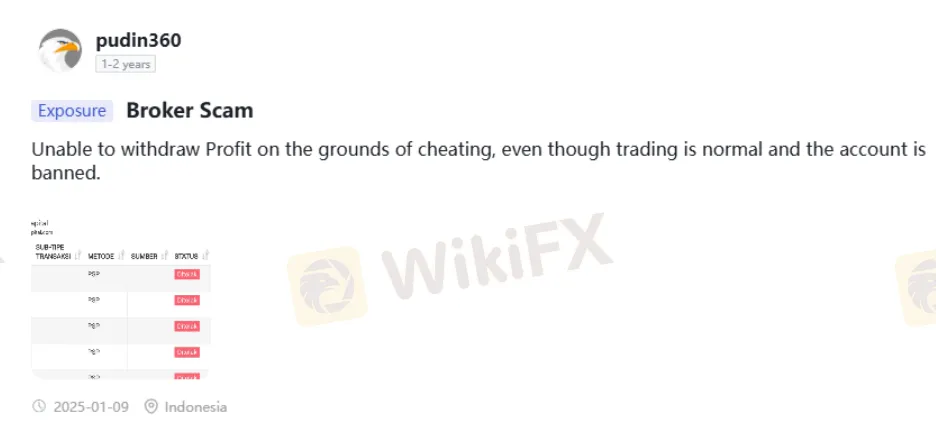
· Complete Withdrawal Refusals: Many users report that their requests to withdraw profits were denied. In one scary case, a user said they were “Unable to withdraw Profit on the grounds of cheating, even though trading is normal and the account is banned.” This suggests that accounts making money might be shut down to prevent withdrawals.
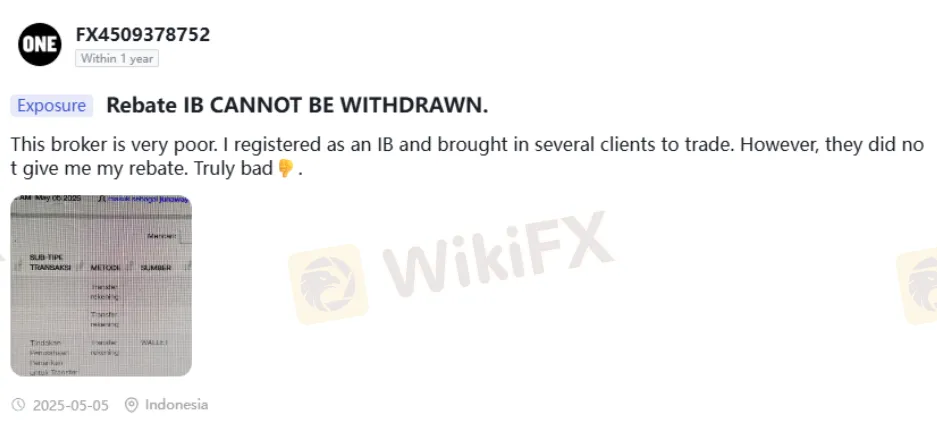
· Not Paying Partners: The problems aren't just for individual traders. One complaint from an Introducing Broker (IB) shows a failure to pay earned rebates: “I registered as an IB and brought in several clients to trade. However, they did not give me my rebate.” This shows payment problems throughout the system.
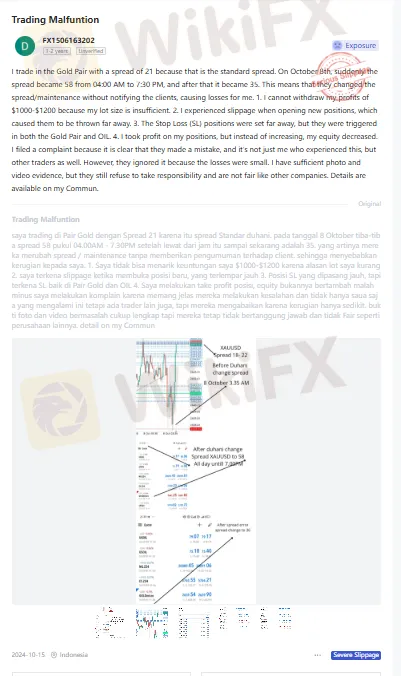
· Unreasonable Rules: One of the biggest warning signs is creating arbitrary rules to block withdrawals. A trader reported being unable to withdraw profits of $1,000-$1,200 because their “lot size is insufficient.” This is not a standard or legitimate practice in the industry and is a common trick used by bad brokers to keep client funds.
· Ongoing Delays: Even a review that was called “positive” mentioned having “some issues with withdrawal times.” When even happy customers mention delays, it points to a recurring problem.
These are not isolated cases. For a complete list of user complaints and to see the evidence yourself, we highly recommend reviewing the “Exposure” and “User Reviews” sections for DUHANI on the WikiFX platform. This lets you make a decision based on what other traders have actually experienced.
Understanding the Risks
The widespread problems with the DUHANI withdrawal process aren't random. They are signs of deeper, structural problems that traders must understand. Looking at the available information reveals several key warning signs that directly affect the safety of your money.
Breaking Down Warning Signs
Using DUHANI as an example, we can identify warning signs that apply to evaluating any broker. The following table breaks down the major red flags based on publicly checkable data from platforms like WikiFX.
Protecting Your Investments
In conclusion, while DUHANI presents an appearance of standard deposit and withdrawal methods, the overwhelming amount of publicly available user data raises serious concerns about how it actually operates. The procedures outlined on paper are meaningless if, in practice, they are not followed.
Based on numerous, detailed user reports, the risk of being unable to complete a DUHANI withdrawal appears to be very high. The complaints of refused withdrawals, blocked accounts, and the creation of arbitrary rules are serious warning signs that cannot be ignored. Traders must weigh any potential trading benefits against the documented risk of being unable to access their own capital and profits.
Ultimately, the responsibility for protecting your investments lies with you. Always use independent checking tools before depositing with any broker. Before dealing with any financial company, including DUHANI, take five minutes to check its full profile, regulatory status, and real-time user feedback on a trusted platform such as WikiFX. That simple step can be the difference between a successful trade and a lost investment.
Download the WikiFX app to know the latest forex updates, including broker exposure reports.