


Global Broker Regulation Inquiry App
About WikiFX
English
简体中文
繁體中文
English
Pусский
日本語
ภาษาไทย
Tiếng Việt
Bahasa Indonesia
Español
हिन्दी
Filippiiniläinen
Français
Deutsch
Português
Türkçe
한국어
العربية
اردو
Global equities under pressure as U.S. and Iran exchange strikes
Abstract:U.S. stock futures moved lower on Wednesday after the United States launched military strikes against Iran raising concerns about a broader escalation in the Middle East. SP 500 futures fell 0.5%. Nas
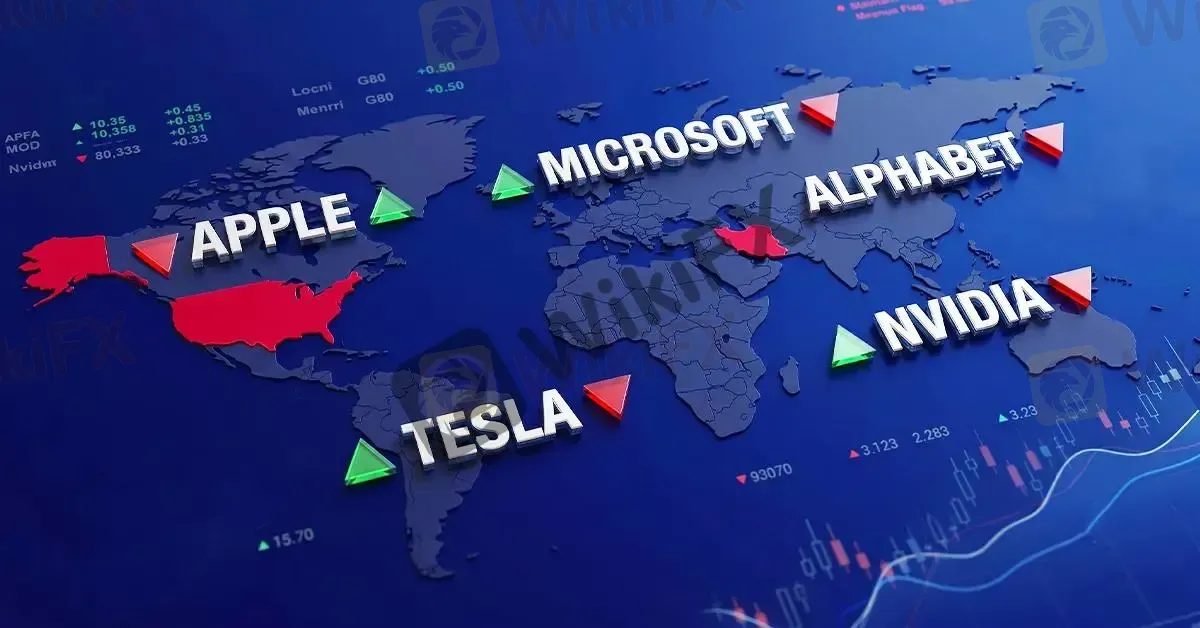
U.S. stock futures moved lower on Wednesday after the United States launched military strikes against Iran raising concerns about a broader escalation in the Middle East. S&P 500 futures fell 0.5%. Nasdaq 100 futures dropped 0.8%. Dow futures declined nearly 0.3%. Asian markets also weakened, led by a more than 2% drop in South Korea‘s Kospi, while Japan’s Nikkei and Australias ASX 200 traded lower.
The geopolitical tensions pushed oil prices higher, with WTI crude rising about 1% to around $89 per barrel, as investors worried about potential disruptions to global energy supplies and the fragile U.S.-Iran ceasefire.
On Wall Street, technology stocks remained under pressure. Semiconductor and memory-chip shares continued their recent correction, dragging the S&P 500 and Nasdaq lower on Tuesday.
In China, producer inflation accelerated sharply in May, reaching its highest level in nearly four years, while consumer inflation remained relatively subdued. The Producer Price Index (PPI) rose 3.9% year over year, exceeding expectations and marking the strongest increase since July 2022. The Consumer Price Index (CPI) increased 1.2%, slightly below forecasts of 1.3%.
The surge in wholesale prices was driven by rising commodity and energy costs linked to the Iran conflict, which has disrupted shipping and raw material flows through the Strait of Hormuz.
Gold prices came under heavy selling pressure on Wednesday, falling below the key $4,200 level and reaching their lowest point since late March. The decline is being driven by escalating tensions between the U.S. and Iran that pushed oil prices higher, increasing concerns that inflation could remain elevated. Higher inflation expectations have strengthened market bets that the Federal Reserve may keep monetary policy tighter for longer, reducing the appeal of non-yielding assets such as gold. Gold also faced additional selling pressure after breaking below its important 200-day moving average, triggering technical selling.
Markets are now pricing in roughly a 75% probability of a Federal Reserve rate hike by year end, largely due to concerns that rising energy costs could keep inflation elevated. Investors are awaiting the upcoming U.S. Consumer Price Index (CPI) report, which could provide important clues about the Feds next policy moves.
Disclaimer:
The views in this article only represent the author's personal views, and do not constitute investment advice on this platform. This platform does not guarantee the accuracy, completeness and timeliness of the information in the article, and will not be liable for any loss caused by the use of or reliance on the information in the article.
WikiFX Broker
Latest News
The May inflation numbers are due out Wednesday morning. Here's what to expect
 WikiFX
The Market's Ledger: Why Price Returns to Fill Liquidity Voids
WikiFXIndia Left Reeling as Net FDI Crashes from $28 Billion to Just $1 Billion in Two Years
WikiFXTenX Prime Review: PAMM Blackout, Login Blocks, and Broker Regulation Questions
WikiFXInstaForex Review: Broker Profit Deductions, Login Shock, and Regulation Red Flags
WikiFXPosition Sizing Math For Steady Small Account Growth
WikiFXOcta Review 2026: Severe Withdrawal Complaints and Regulation Warnings
WikiFXUniglobe Markets Review 2026: Should You Trade with This Broker?
WikiFXWorld Cup · Forex Predict & Win Event
WikiFXZenstox Review 2026: Unexplained Profit Cancellation & Account Termination Allegations
WikiFXCurrency Calculator
USD

CNY
Current Rate:0
Enter amount
USD
Redeemable Amount
CNY
Calculate 